
Gold: Shiny Object or Sound Investment?
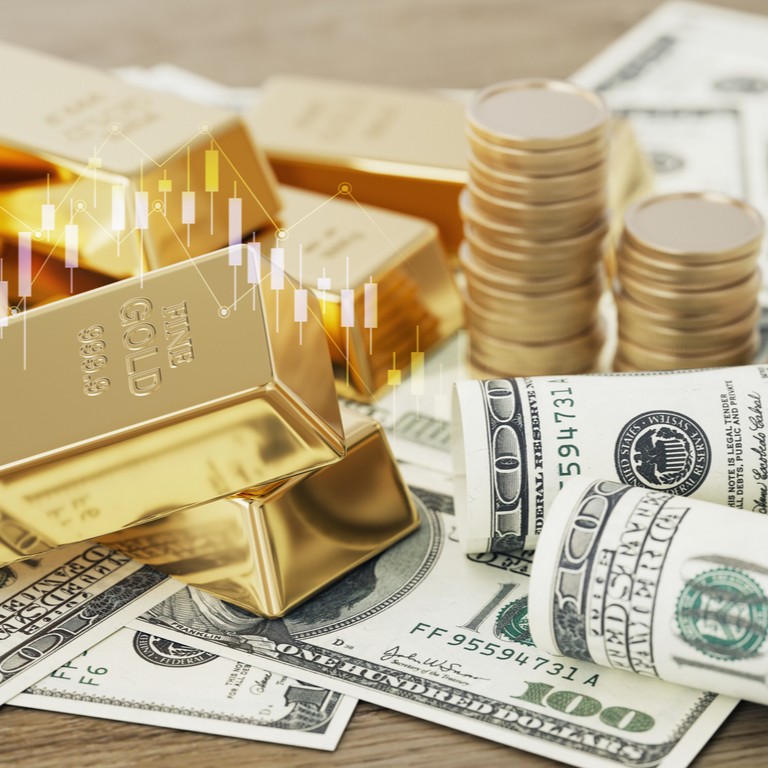
Gold is back in the headlines (though, did it ever really leave?).
In January 2026, the price of gold reached new all-time highs, which naturally caught investors’ attention. After a strong run, it is common for questions to follow. We have heard more clients ask some version of the same thing: Should I buy gold? Why don’t we own it in portfolios?
At YeskeBuie these are familiar questions. And while the interest is understandable, our investment philosophy leads us to approach commodities like gold differently than many investors might expect. Let’s take a closer look.
Why Gold Gets So Much Attention
Gold has always held a certain appeal. It is tangible. It is scarce. And, for thousands of years, humans have assigned it value. During periods of uncertainty, that appeal tends to grow stronger.
Recent performance has only added fuel to the conversation. Gold saw a significant rise from 2024 through 2025, culminating in those record highs in early 2026.
When any asset posts eye-catching returns, headlines follow. Investor interest usually does, too.
But strong recent performance alone is rarely a sufficient reason to invest.
The Intrinsic Value Question
Here at YeskeBuie, a key part of how we evaluate investments comes down to one idea: intrinsic value.
We believe that over time, the most reliable drivers of long-term returns are productive assets. Publicly traded companies produce goods, deliver services, innovate, and generate earnings. Investors participate in that economic growth.
Gold works differently.
A bar of gold does not produce income. It does not grow its cash flows. It simply sits there. Its return depends largely on whether someone else is willing to pay more for it in the future. The performance of commodities like gold rely primarily on changes in supply and demand rather than on the creation of new economic value. It is not an investment; rather, purchasing gold is a speculative play. That difference matters when building long-term portfolios.
What About Inflation Protection?
Gold is often described as an inflation hedge. The idea sounds intuitive. If prices are rising, something tangible like gold should help preserve purchasing power.
The historical evidence is more mixed.
If gold were a precise hedge, we would expect it to move closely with inflation. In reality, gold has been far more volatile than inflation itself. According to Dimensional’s (DFA) analysis, the standard deviation of the CPI (Consumer Price Index, reported monthly by the Bureau of Labor Statistics) has historically been around 3 percent, while gold’s volatility has been above 20 percent over similar periods. In other words, gold tends to swing much more dramatically than the inflation rate it is supposed to hedge against.
YeskeBuie believes that for long-term investors focused on maintaining purchasing power, broadly diversified portfolios of stocks and bonds have historically provided a more reliable path for growth.
Looking at the Long Run
Another helpful perspective is long-term consistency over time. While gold has experienced periods of strong performance, its year-to-year results have been less reliable than broadly diversified equities.
DFA’s research examining gold’s “safe haven” reputation shows that since 1970, the S&P 500 delivered positive calendar-year returns about 80 percent of the time, compared with roughly 60 percent for gold. While the S&P 500 represents U.S. large-company stocks (rather than a global portfolio), the comparison helps illustrate the broader point that productive equity markets have historically delivered positive outcomes more consistently than gold.
This doesn’t mean gold never performs well. Periods like the recent surge do happen. The challenge is that they are difficult to predict and often followed by long stretches of more modest results.
That pattern makes gold less reliable as a primary long-term growth engine.
The Human Element
It is also worth recognizing the emotional side of gold ownership. Some investors simply like having something tangible in the mix, and during volatile markets, that can feel reassuring. From a planning standpoint, that reaction is understandable. Personal preferences are always part of the discussion when building portfolios for Clients.
Where YeskeBuie encourages caution is when gold is treated as a core long-term investment strategy rather than what it actually is — a speculative asset whose price depends heavily on future demand.
So, Should Investors Own Gold?
For our Clients, YeskeBuie believes the foundation of a portfolio should be built on:
- Global diversification
- Exposure to productive companies that work to create economic value
- Disciplined long-term implementation
We appreciate that portfolio decisions are personal. In some cases, a modest allocation to gold may align with an investor’s preferences or comfort level. If considered, it should be evaluated carefully within the context of the full financial plan to ensure its inclusion doesn’t thwart the Client’s objectives.
The key question is not whether gold has had a strong year. The more important question is whether owning it directly meaningfully improves the probability of achieving long-term financial goals.
Final Thoughts
Gold will likely continue to cycle through periods of strong performance and renewed media attention. That pattern has repeated many times before.
Successful long-term investing, however, has rarely depended on owning whatever asset is currently in the spotlight. More often, it has rewarded investors who stay focused on diversification, discipline, and performance over the long run.
If you are thinking about gold or have any other ideas or questions about your broader financial plan, we are always happy to talk it through with you.