
History Through Currency: Phasing Out Penny Production
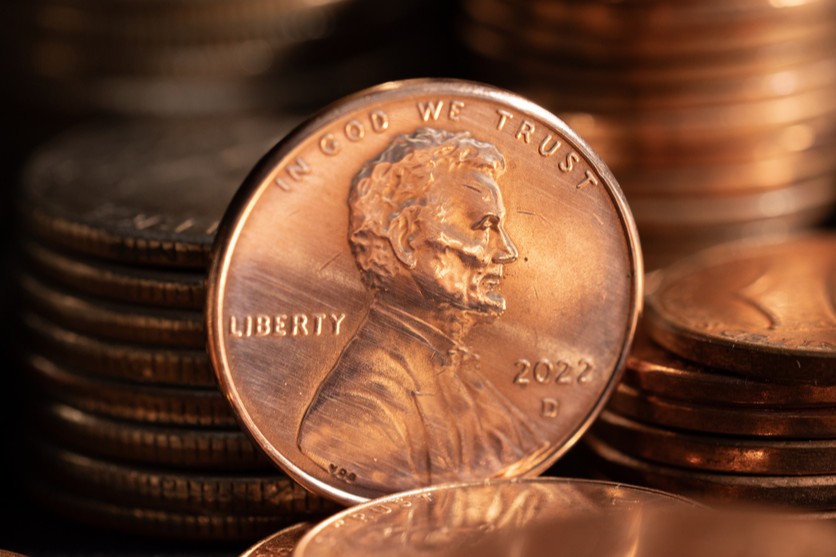
What has been a debate for years now has finally come to fruition, with the U.S. Department of Treasury officially ending penny production as of early 2026. While Congress has attempted to pass bills eliminating the penny as a form of currency in the past, the Treasury used their power to simply stop new production, giving the public a longer runway to adapt. Pennies will still be classified as legal tender, but over time they’re expected to naturally fall out of circulation, becoming collectors’ items or keepsakes.
As a financial planning firm, we pay attention when economic policy shifts, even the small ones, and this one has a surprisingly rich history behind it. So, in order to give it a proper goodbye, we thought it would be fun to take a look back.
The Case for Change
You might be wondering: why are we getting rid of the penny? There are a few reasons:
- Likely the biggest reason of all – the cost to produce a penny over the last ten years has increased to 3.69 cents per unit. This adds up quickly when you think of the billions of coins that were minted annually!
- More transactions today are paid for using non-cash methods, like debit cards, credit cards, mobile wallets, and other electronic payment methods.
- Other countries, like Canada, have stopped producing their pennies, and evidence has suggested that this has had minimal long-term financial impact on consumers.
- Said plainly, inflation. In the 18th century, one penny could buy meaningful items. Now, its usage is extremely limited.
Two Centuries in Circulation
The first penny designed by the U.S. Mint was issued under the Coinage Act of 1792. The obverse side symbolically showed a woman with flowing hair to symbolize liberty, not the Abraham Lincoln etching that you see today. In fact, Lincoln wasn’t featured until the early 1900s when the Mint redesigned this side to honor his 100th birthday. This change meant that the penny became the first U.S. coin to depict a real historical figure.
Pennies were made using 100% copper until 1857, when the Mint began to realize that the coins were becoming too expensive to create and people didn’t like carrying the weight of the heavy currency in their pockets. Therefore, the U.S. decided to replace it with a slightly smaller coin, made of 88% copper and 12% nickel. These coins — dubbed “Flying Eagle Pennies” — were minted after Lady Liberty and before Abraham Lincoln designs, featuring Native Americans and Eagles.
In 1959, the reverse of the Lincoln coin was updated from having two wheat stalks, to an etching of the Lincoln Memorial. In 1983, the composition of the Lincoln cent changed again – down to only 2.5% copper due to its rising costs.
There have been a few additional iterations of the penny since the 1980s, including the Lincoln Bicentennial penny, and the union shield penny.
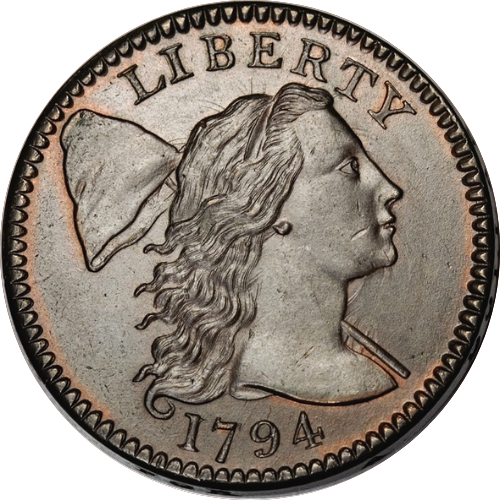
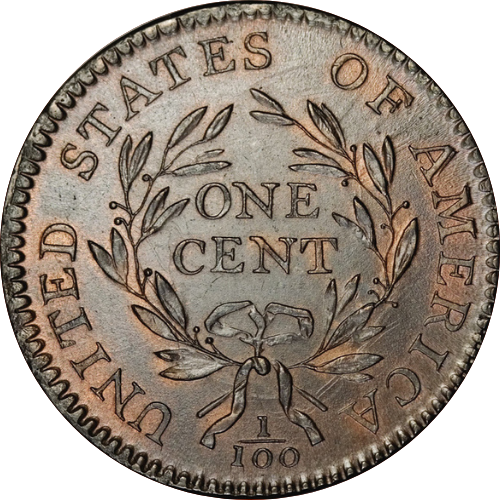
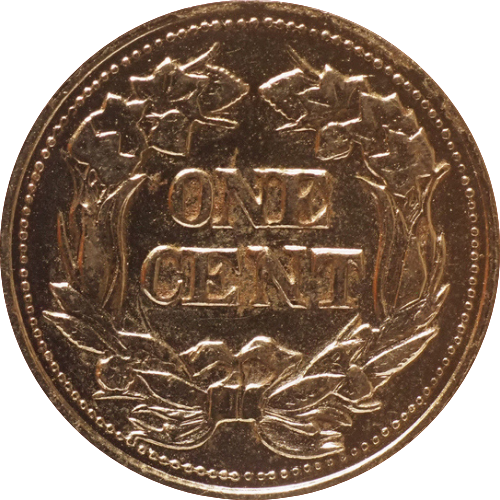
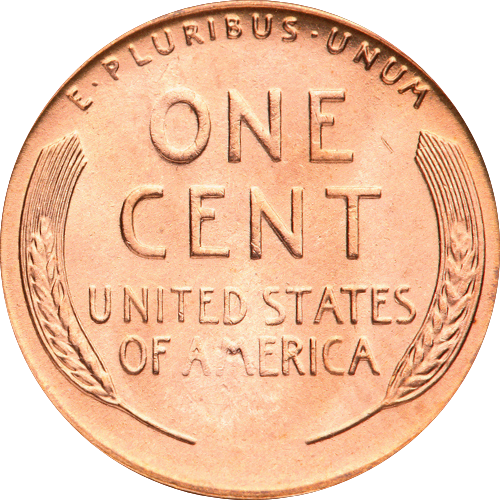
The evolution of pennies over the years. From left to right: A 1794 penny (heads), a 1794 penny (tails), an 1857 penny (tails), and a 1955 penny (tails).
What It Means for You
For most of us, the impact of this change will be minimal. The majority of everyday transactions have already moved to digital payment methods, so the gradual disappearance of the penny from circulation is unlikely to change much about how you manage your day-to-day spending. For cash transactions, retailers are expected to round to the nearest nickel, a practice that has worked smoothly in countries like Canada.
The history of the U.S. penny is, in many ways, a smaller history of the nation itself. It adapted to economic pressures throughout time with material composition changes, while simultaneously remaining a constant presence in our pockets — a small coin with a surprisingly meaningful story.
We hope you enjoyed this walk down penny lane and learning about the history of one of our luckiest currencies.