
Follow the Music, Mind the Budget
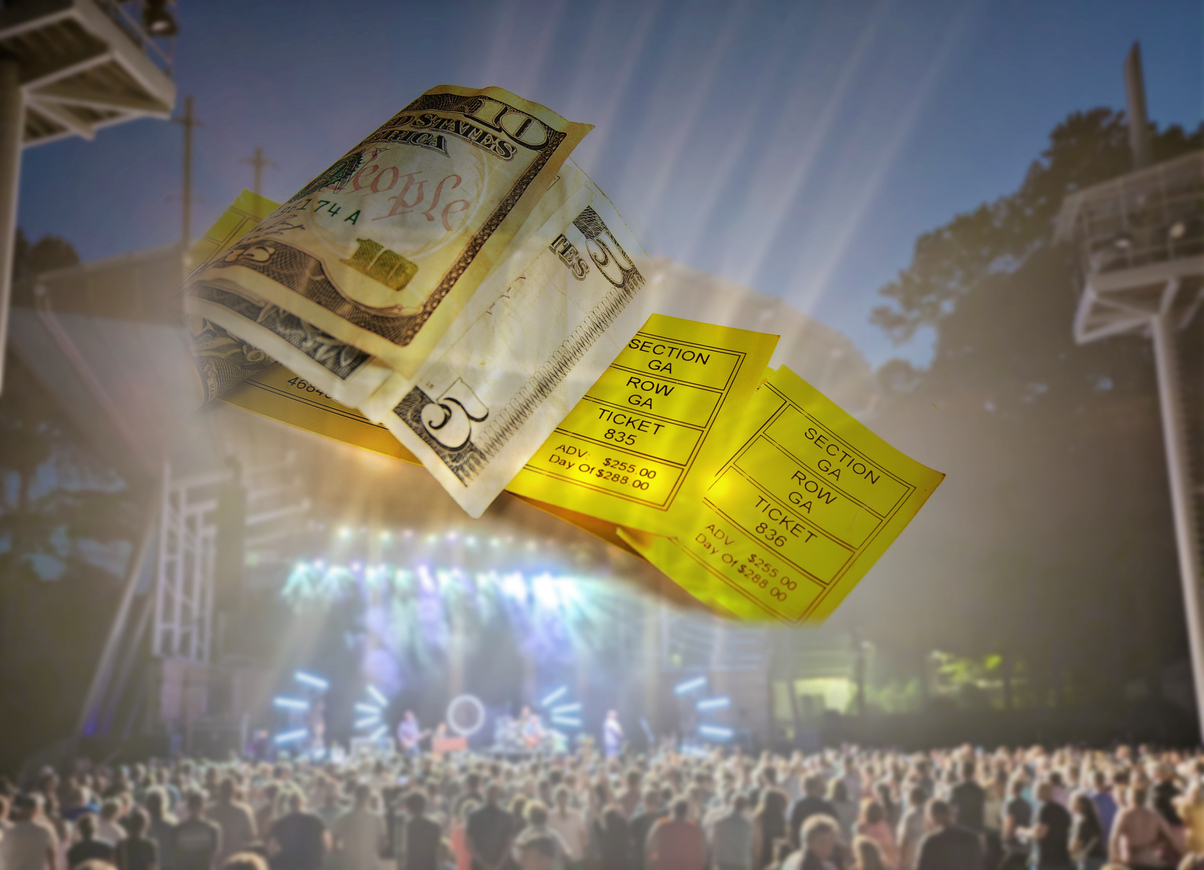
Summer is in full swing, your favorite artist is going on tour, but they’re not stopping in your city — what do you do? Many people, especially in recent years, have started viewing concerts as full-blown travel opportunities. Whether flying across the country for an artist and their opening act or turning a festival weekend into a mini-vacation, more and more people are building entire trips around live music.
This trend, dubbed concert tourism, is reshaping how fans think about travel, how cities plan for major events, and how all of us think about our own spending. So what’s driving it, how does it affect local economies (and your own budget), and how do you know when it makes sense for you? Let’s break it down.
What is Concert Tourism?
Concert tourism is a growing phenomenon in which fans travel to a destination location to attend a music festival or concert. Traveling to these concerts often becomes a full-on vacation, as many fans decide to arrive earlier or stay later in a city to experience what the area has to offer.
This trend is hitting a high note. The US Travel Association reported that Taylor Swift’s Eras tour delivered a “Super Bowl-level” impact at each of her 53 shows in 20 US cities, as traveling fans energized local economies.
Why Is Concert Tourism More Common Now?
This type of ‘temporary demand’ has been commonly observed in Super Bowl host cities over the last half-century. Recently, however, concerts and music festivals have begun to generate similar economic momentum.
Part of this can be attributed to the fact that younger generations continue to prioritize experiences over possessions. While it’s hard to pinpoint the exact reason, one factor could be feeling as though they missed community connections during the COVID-19 pandemic resulting in “revenge travel.” As a result, music festivals and major concert tours are seeing record highs when it comes to ticket demand, with many fans traveling long distances to attend.
The “Swift Effect”

One of the most prominent examples of concert tourism has been dubbed the “Swift Effect.” Because of the extraordinary demand for tickets to Taylor Swift’s Eras Tour, many fans were unable to purchase tickets in their home city. Instead, they began searching for tickets in other cities and building an entire trip around the event.
This was even confirmed in the Federal Reserve Bank of Philadelphia’s June 2023 report:
“Despite the slowing recovery in tourism in the region overall, one contact highlighted that May was the strongest month for hotel revenue in Philadelphia since the onset of the pandemic, in large part due to an influx of guests for the Taylor Swift concerts in the city.”
This type of purchase can be justified easier by consumers because they are “killing two birds with one stone,” as they’ll have the opportunity to explore a new city and attend a concert at the same time. (As a personal example, I recently was able to justify a trip to the Big Ten Football Championship Game in Indianapolis by also visiting my brother at Indiana University and exploring the campus the same weekend.)
So, what does this mean for local economies on a larger scale?
A Stimulus for Local Economies
When someone travels for a concert or music festival, the ticket price is often just the starting point. Several other expenditures will be associated with the trip, like transportation, lodging, dining, local attractions — the list goes on.
When thousands of visitors arrive in a city for a single weekend, these purchases can create a meaningful, though temporary, boost to the local economy.
During the influx:
- Hotels operate at full capacity;
- Restaurants extend hours;
- Rideshare drivers see increased demand; and,
- Small businesses near venues experience surges in foot traffic.
Major tours or popular music festivals can generate millions in incremental revenue in just a few days. According to the Michigan Journal of Economics, a 2023 study estimated that Bonnaroo (a music festival held each summer in Tennessee) injected $339 million into the Tennessee economy.
“Is it worth the cost?”
Let’s switch lenses for a moment. Looking at the trend from a the consumer’s perspective raises an important question: Is concert tourism worth the cost?
Financial planning is ultimately about making intentional tradeoffs. Spending money on meaningful experiences can enhance life satisfaction and create lasting memories (Live Big®!), but it works best when those choices fit within a thoughtful financial plan.
If you’re considering traveling for a concert or festival, keep a few guidelines in mind:
- Plan ahead: Budget for tickets, travel, lodging, and other expenses.
- Understand the full cost: Small purchases during a trip can add up quickly.
- Align with your values: Prioritize experiences that truly matter to you.
If a concert weekend brings joy, connection, and lifelong memories, and it fits comfortably within your financial framework, it can absolutely have a place in your plan. And our team is always here to help walk you through the decision, too!