
Honest, Direct, Respectful: A Book Club Reflection
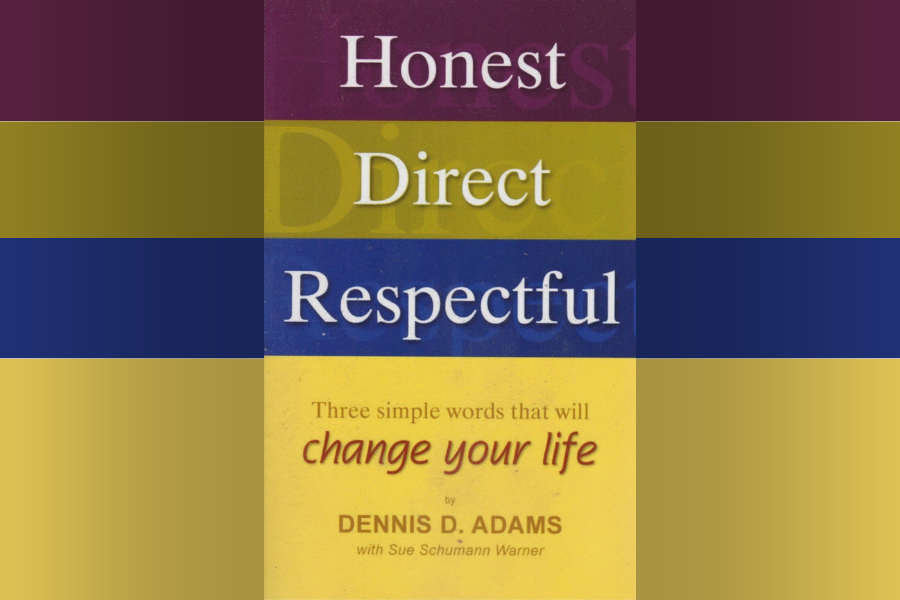
At first glance, Honest, Direct, Respectful by Dennis D. Adams with Sue Schumann Warner may not sound like a financial planning book, but it’s a staple read for everyone at YeskeBuie because it informs how we interact with you, our Clients, and other members of the YeskeBuie Team. It is not about investments, tax planning, retirement projections, or estate strategies. It is a short book about communication style and, the more time you spend in financial planning, the more obvious the connection becomes.
A financial plan is built with numbers that are carried forward through conversations. Some of those conversations are exciting. Others are more difficult. They may involve uncertainty, tradeoffs, changing family dynamics, spending decisions, market volatility, aging parents, charitable wishes, or the question of whether someone has “enough.”
Those conversations require more than technical knowledge. They require trust. And trust depends heavily on how we communicate.
The Middle Ground
The core idea of Honest, Direct, Respectful is simple. The healthiest communication happens when all three words are working together.
Honest.
Direct.
Respectful.
Omitting any one of these elements fundamentally alters the message.
Honesty without respect can become harsh. Directness without care can feel cold. Respect without honesty can turn into avoidance. That balance is what makes the framework useful.
The book describes different communication styles, including passive communicators, reactive communicators, and what Adams calls a “TOP,” or “ticked-off passive.” A TOP is someone who may avoid conflict for a long time, but eventually reaches a breaking point and reacts in a way that does not reflect how they really want to show up.
Most of us can probably recognize pieces of ourselves somewhere in that range. Sometimes we avoid saying the thing that should be said. Other times we say it, but not as thoughtfully as we could have.
The goal is not to become more passive or more forceful. The goal is to move toward the center.
Why It Matters in Planning
Financial planning is personal. Clients share details about their income, spending, family, goals, worries, mistakes, hopes, and fears. These topics often sit close to someone’s identity, independence, security, or sense of responsibility.
That is why communication matters so much.
Being honest might mean saying, “This plan works, but only if spending stays within this range.” Being direct might mean explaining a complicated strategy in plain English rather than hiding behind jargon. Being respectful means remembering that even when the analysis is technical, the decisions themselves are personal.
Honest, direct, and respectful communication is meant to help people understand their options, feel heard, and make decisions with greater clarity rather than solely delivering information and moving on. When this book was introduced to YeskeBuie over a decade ago, it became the foundation for our internal communication agreements and, as a result, shaped how we communicate externally, too. Honest, Direct, Respectful reflects something central to the Client experience. Good planning conversations need to be clear enough to be useful and thoughtful enough to be trusted.
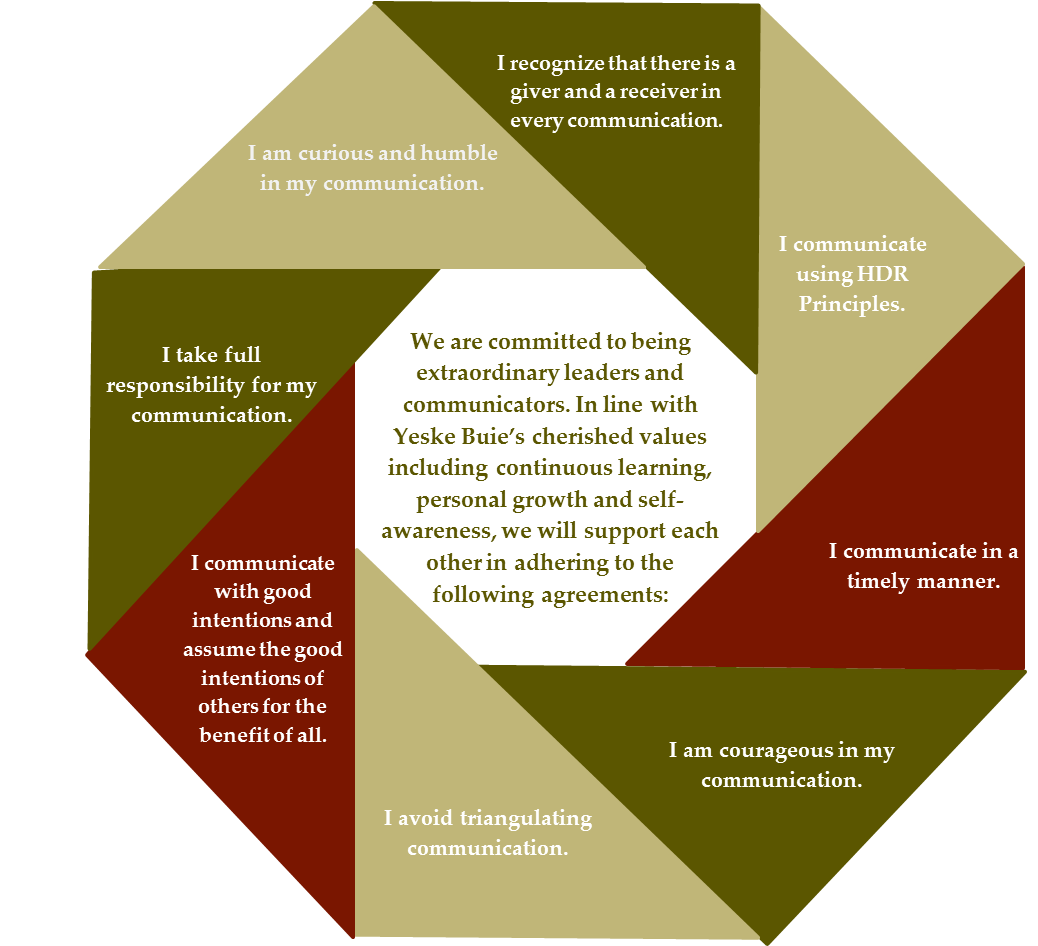

One part of the book that feels especially relevant is the distinction between telling the truth and trying to control the outcome. It is subtle, but important. In planning, we can think through all options comprehensively, explain tradeoffs, identify risks, and offer recommendations. Ultimately, Clients have their own values, priorities, and preferences. Therefore, the goal is to create enough clarity to help Clients make the decisions that they feel best meets their needs. Each step requires humility, patience, and cooperation. A conversation may need to slow down. A question may need to be asked another way. Sometimes the most useful thing we can do is pause and make sure we actually understand what matters most before trying to solve the problem.
The book provides practical, straightforward language for that kind of communication. Simple, direct tools for naming what is happening, sharing how it lands and opening the door to a better conversation. This simplicity is part of what makes the book useful.
Adding Awareness
At YeskeBuie, we often talk about the framework as HDRA, adding an “A” for “awareness.”
Awareness helps us know when to speak, when to listen, when to ask another question, and when a conversation may need more time. Even the right words can miss the mark if the timing, tone, or setting is wrong.
Sometimes awareness means having the courage to say the hard thing clearly. Other times, it means recognizing that the respectful choice is to slow down first.
Final Thoughts
Honest, Direct, Respectful is a simple book, but that is also the point. The framework is easy to remember, which makes it easier to use.
For our team, it gives us shared language for how we want to communicate with each other. For Clients, HDR is reflected in the way we try to make planning conversations clear, candid, and respectful.
We believe strong financial planning depends on strong relationships. And strong relationships depend on communication that is honest enough to be useful, direct enough to be clear, and respectful enough to build trust.
That may not sound like a traditional financial planning topic, but in practice, it is hard to separate good planning from good communication.