
Protecting What Matters: Insuring Your Precious Stones
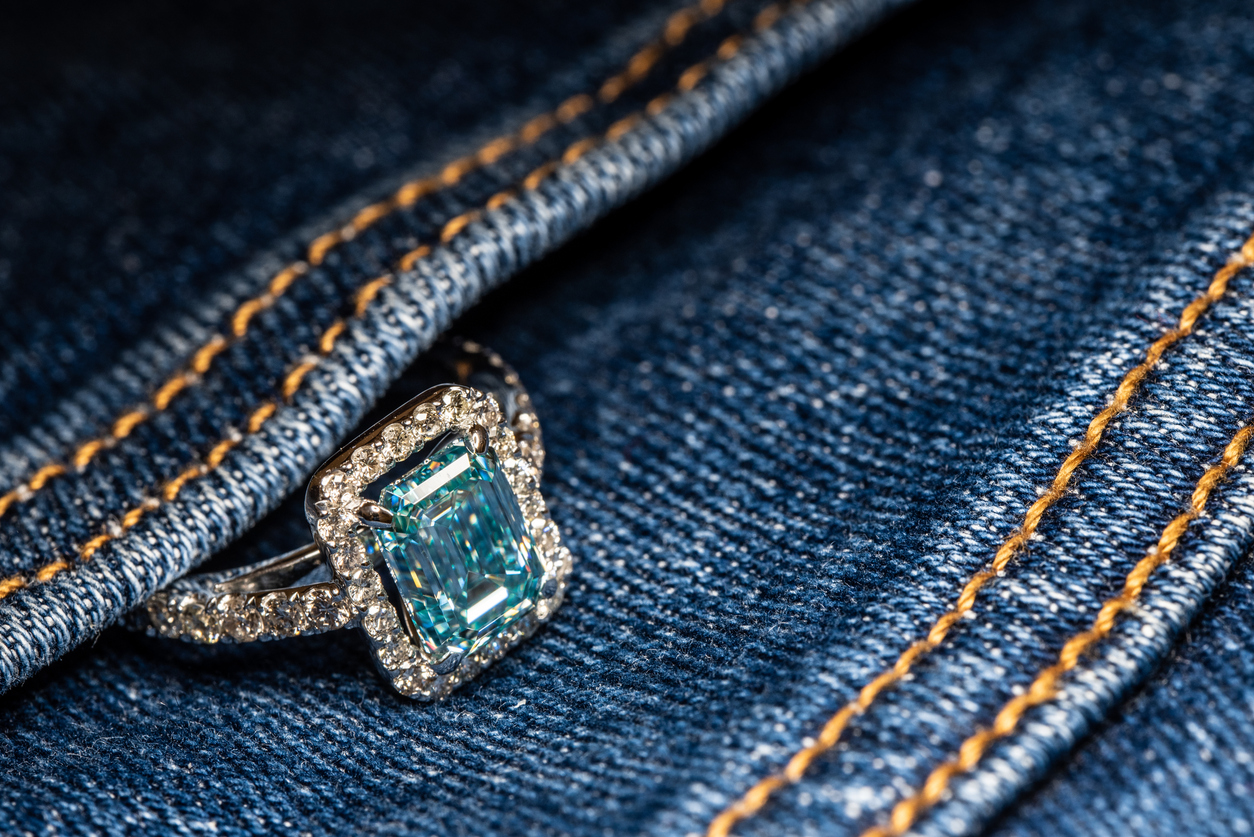
This past summer, one of our teammates had an experience many of us can relate to. She had been given an emerald and diamond ring, a Christmas gift linking her birthstone with her daughter’s. On a warm afternoon, she slipped it off while playing with Play-Doh and tucked it into her pocket. Hours later, she realized it was gone.
She retraced her steps. She checked the yard, the house, the sidewalk. She even texted a neighbor, half-joking, to ask if anyone owned a metal detector. Miraculously, a good Samaritan had found the ring and handed it to the neighbor. By Monday morning, our teammate was on the phone with her insurer, determined not to risk that panic again.
It’s a happy ending, but it raises a question many people never ask until it’s too late: is that special piece of jewelry actually insured?
When Standard Coverage Isn’t Enough
Many people assume their homeowners or renters policy will cover jewelry fully. In reality, the built-in protection is usually small, often capped at around $1,500 for all pieces combined. That limit frequently applies only to theft, and policies typically exclude accidental loss, such as a stone slipping out of its setting. Deductibles can also wipe out most of a payout. The result is that expensive or sentimental items can be left exposed even though you have insurance on your home.
Taking the Next Step
People who want more protection have a few options. One is to raise the overall limit for valuables on an existing policy. Another is to insure individual items separately, sometimes called a personal articles policy, floater, or scheduled property endorsement. These add-ons usually include coverage for things like accidental loss or mysterious disappearance and often have no deductible. A third option is a stand-alone jewelry policy, which keeps claims separate from a homeowners policy.
Premiums for this extra protection are typically about one to two percent of the item’s appraised value each year, so a $10,000 ring might cost around $100–$200 annually to insure. For high-value or especially meaningful pieces, we generally recommend scheduling them individually rather than relying on a blanket limit.
The Paperwork Behind the Policy
Special coverage normally requires a current appraisal. A good appraisal includes the metal type, the gemstone details, and clear photographs. Values shift over time, so updating appraisals every few years keeps coverage accurate.
Keep receipts and certificates together with your appraisal and store a digital copy somewhere secure. Tell your insurer about changes such as a new setting or an upgrade. Security measures such as a home alarm or safe may also reduce premiums.
Questions Worth Asking
When people start looking into jewelry insurance, a handful of questions naturally come up.
- How much coverage does my current policy actually provide for jewelry?
- Would it make more sense to raise the blanket limit, schedule individual pieces, or take out a stand-alone policy?
- Which losses are covered (theft, damage, mysterious disappearance), and are there restrictions when I travel?
- How often should appraisals be updated, and could a jewelry claim affect my homeowners policy?
- Can I choose my own jeweler if a repair or replacement is needed?
Thinking through issues like these ahead of time can make conversations with an insurer smoother and help ensure the coverage fits what matters most to you.
Peace of Mind
Jewelry is rarely just an asset. It is a gift, a milestone, a memory. Knowing how your current policy works and what options exist to extend it can help protect not only its value but also its story.
If you are unsure about your coverage or would like help reviewing your policies, the YeskeBuie team can walk through your options with you and connect you to reputable insurance professionals who specialize in jewelry coverage. Our goal is to help you enjoy what you wear with confidence.