History Through Currency: The First Publicly Traded Stock
Nowadays, it seems like you can hardly go anywhere without hearing what’s happening in the stock market, whether it’s newspaper headlines filled with what Wall Street is doing this week, or at the gym with Jim Cramer yelling at you to buy this stock and sell that stock. Stocks have become more accessible than ever, and it can raise the question, where did this all even start?
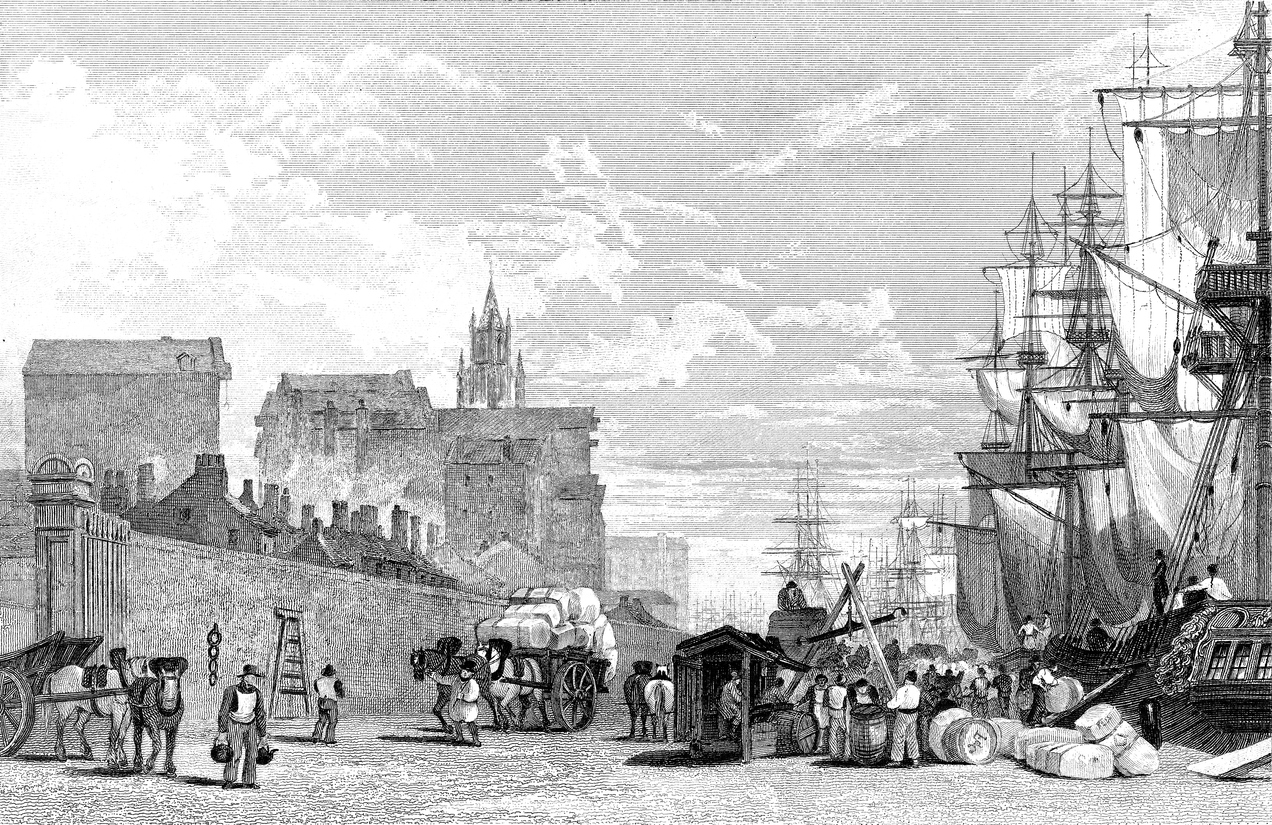
The answer takes us back four centuries to a wooden ship, a spice trade, and a bold idea that would eventually put a share of ownership within reach of everyday people. Set sail with us as we trace that journey and see what it still has to teach us today.
Risk and Reward Centuries Before Wall Street
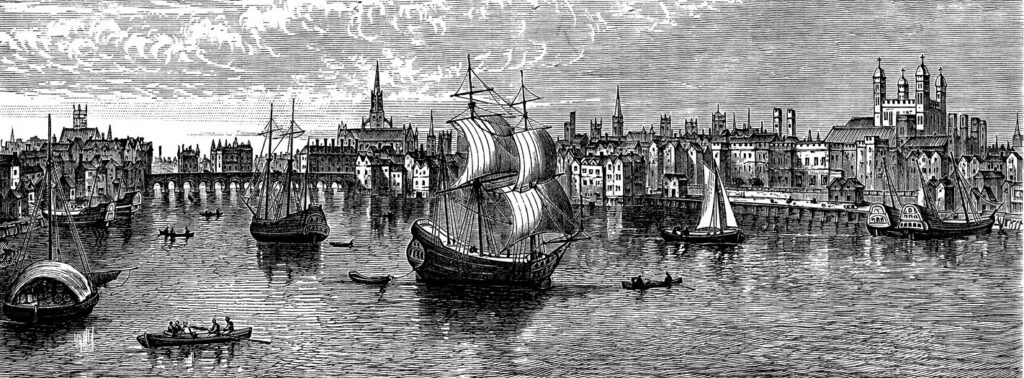
At its core, buying a stock is buying a slice of a company. Even before the advent of any stock market, people were acutely aware of the tradeoff between risk and reward. One of the earliest “ventures” you could invest in if you found yourself being a wealthy European aristocrat was an expedition across the world to find spices, silks, and other untold fortunes. These “companies,” as they were known, typically involved a ship, a crew, and one long, difficult, and risky voyage to find goods, trade routes, new lands, and much more. Funding them meant kicking back and relaxing and enjoying a part in all the riches that returned… provided any came back at all.
The risk was clear – either the ship came back or it didn’t. On one trip, you may either be fabulously rich or lose every dollar you invested. What’s interesting is that even then, we see evidence of merchants coming together to spread out their bets between expeditions, an early version of not putting “all your eggs in one basket.”
From Private Voyage to Public Investment
In Europe in the 16th century, there was an emerging “non-royal” class looking to find new ways to build wealth. Still, investing wasn’t accessible to the vast majority of people unless you were a government official or wealthy individual. It stayed that way until the advent of the first joint venture company in August of 1602 – the Dutch East India Company.
The Dutch East India Company was revolutionary from its founding. It started when it received a government charter (aka government monopoly) to carry out spice trade in Asia. It was formed by consolidating several existing ventures, creating a perpetual entity rather than a single-voyage company. Though subtle, this was a departure from how these expeditions typically existed at the time. And even more importantly, the Dutch East India Company was the first company to bring its shares to the public for investment. This dramatically increased the amount of people that could purchase shares of the Dutch East India Company at its issuance, and the Company did so with great success. Reportedly, within a month, the Company raised 6.5 million guilders (the currency of the time) from over 1,000 individuals including aristocrats and laypeople.
The founding of the Dutch East India Company gave the world its first publicly traded company. Its ability to attract funding so quickly in part demonstrates the pent up demand for investment at the time. More importantly, it brought a proof of concept to the idea of allowing more than just the wealthiest to build wealth outside of their labor. Even more, the Dutch East India Company proceeded to dominate the trade landscape for many years following its founding.
A Merchant’s Case for Diversification
This was an exciting period of financial history, though it may not have felt like it at the time (only 1,000 individuals initially purchased shares). Now we have thousands of stocks available for purchase within seconds, so what can modern day investors with airplanes and spice cabinets take away from early 16th century investors and a company sailing across oceans for nutmeg?
We’ve said before that although history may not repeat itself, it can certainly rhyme. Which leads us to a concept that the merchants of Europe grew to appreciate centuries ago: diversification. To the 16th century merchant, that may have meant funding multiple expeditions with smaller amounts of money (and we do see evidence of these private pools). But what’s the principle? These early investors formed teams to invest in many companies like the Dutch East India Company because they felt the ups and downs of a voyage gone well and one gone wrong. Diversification became a way for them to stay in the game as long as possible without losing everything they had built.
And we learn another lesson on diversification through the lifecycle of Dutch East India Company. At its outset, the Company represented the combination of many companies with a similar goal. In the end, it became one “stock.” The Dutch East India Company quickly rose to its peak about 60 years after its formation. While it dominated the market for a long time, the Company went bankrupt in 1799 as they struggled due to increased costs, increased competition from other nations, and changing consumer demands (and yes, corruption). All these challenges are similar to what modern companies face. Which is to say, even the best, most revolutionary companies are challenged in the face of a changing world no matter their strength or history. So holding the winners of today is not a foolproof method to ensure you get the returns of tomorrow.
The Thread That Runs Through It All
In the 1600s, concentration meant betting your life savings on a ship coming home. Today it means owning only a handful of stocks. The Dutch East India Company was once the most dominant enterprise in the world, and it no longer exists. Diversification is a thread through financial history not because it guarantees returns, but because it increases resilience. And that same resilience is what allows you to in turn benefit from human resilience and ingenuity across borders and generations.